From Petrograd Strikes to #BreakTheBias: The International Women's Day Story
International Women's Day (IWD), observed annually on March 8th, is far more than just a calendar date; it's a living testament to a century-long struggle for equality, justice, and human dignity. From its radical origins rooted in working-class movements demanding fair labor practices and suffrage, to its contemporary role as a global platform for celebrating achievements and challenging persistent biases, IWD encapsulates a profound journey of social transformation. To truly understand its significance, we must peel back the layers of history, uncovering the impassioned protests, revolutionary ideals, and unwavering resilience that shaped this powerful observance.
The Fiery Genesis: A Century of Struggle for Rights
The seeds of what would become International Women's Day were sown in the tumultuous early 20th century, a period marked by rapid industrialization, burgeoning labor movements, and widespread social inequality. Women, particularly those from working-class backgrounds, bore the brunt of harsh capitalist exploitation. They toiled in deplorable conditions, enduring grueling 12-to-16-hour workdays for meager wages in unsafe factories, often facing discrimination and exclusion from male-dominated unions.
A pivotal moment arrived on February 28, 1908, when approximately 15,000 immigrant women garment workers in New York City staged a mass protest. This wasn't merely a demand for better pay; it was a comprehensive cry for human rights, encompassing improved working conditions, an end to wage suppression, and the fundamental right to vote. Orchestrated by members of the Socialist Party of America, this demonstration explicitly framed women's grievances as inseparable from broader capitalist oppression, rather than isolated gender issues. It was a clear articulation that economic justice and gender equality were deeply intertwined.
This burgeoning activism wasn't confined to America. Across Europe, parallel agitations gained momentum. German socialist Clara Zetkin, a towering figure in the international women's movement, recognized the power of a unified, global demonstration. At the 1910 International Conference of Socialist Women in Copenhagen, she proposed the creation of an annual "Women's Day." Her vision was clear: to establish a dedicated day, much like May Day for general labor rights, that would advance the specific demands of working-class women against capitalist exploitation, pushing for suffrage, labor protections, and unionization.
Her proposal resonated deeply, leading to the very first celebrations of International Women's Day on March 19, 1911. Rallies erupted in Austria, Denmark, Germany, and Switzerland, where thousands of women and their allies passionately campaigned for the right to vote and an end to employment discrimination. These early observances were not mere symbolic gestures; they were potent acts of collective defiance, laying the groundwork for enduring social change. For a deeper dive into these origins, read our article:
The Socialist Origins: How March 8 Became International Women's Day.
March 8th: A Date Forged in Revolution
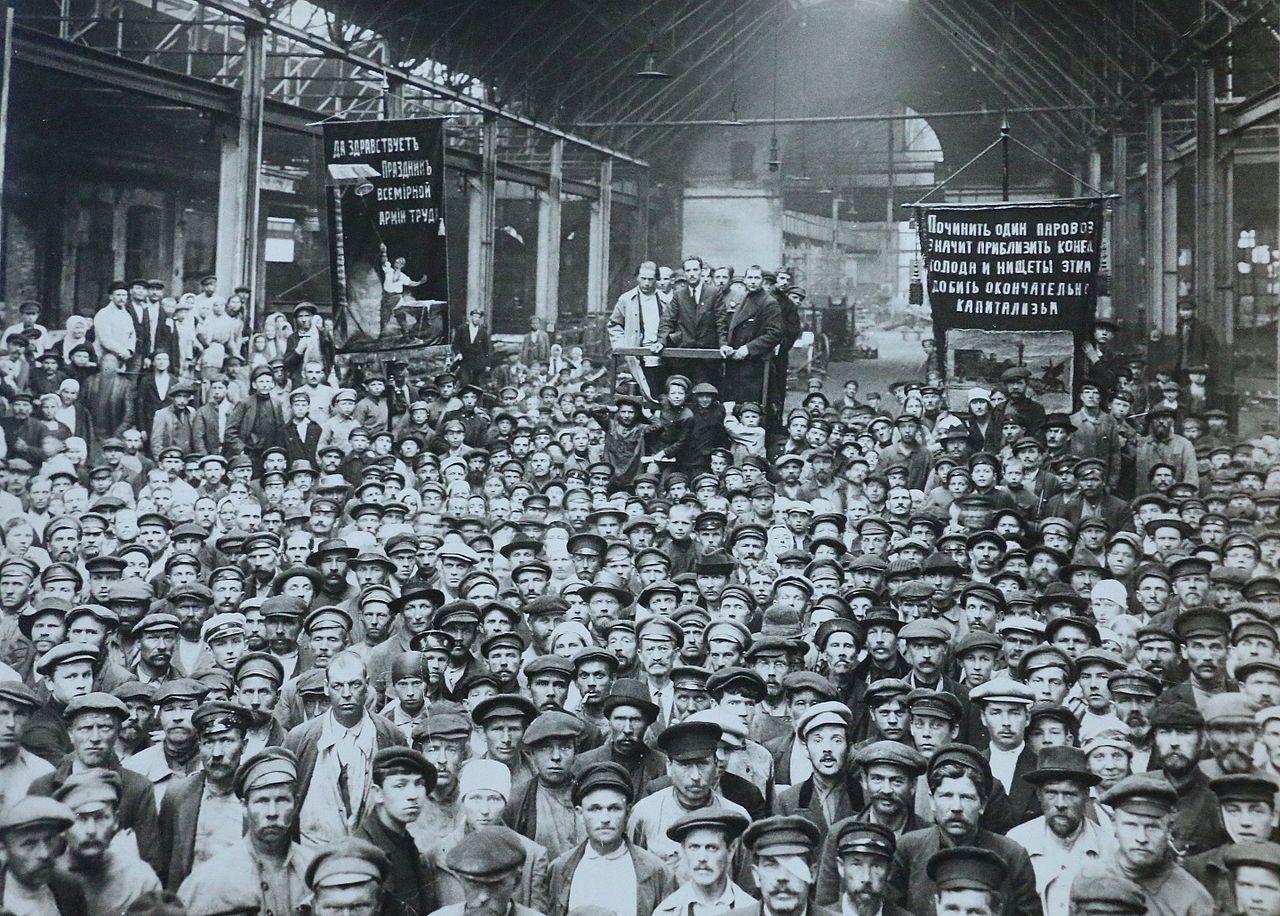
While the initial celebrations took place on March 19th, the date we now universally recognize – March 8th – was cemented by an event of truly revolutionary proportions. In 1917, against the backdrop of World War I, Russia was in turmoil. Men were at the front lines, leaving women to grapple with severe food shortages, a collapsing economy, and a government unresponsive to their plight.
On March 8, 1917 (February 23 in the Julian calendar then used in Russia), tens of thousands of women textile workers in Petrograd took to the streets. Their strike was a spontaneous uprising, a desperate plea for "Bread and Peace." This powerful demonstration, fueled by women's acute suffering, quickly escalated, drawing in other workers and soldiers. It became a catalyst for the broader Russian February Revolution, ultimately leading to the abdication of Tsar Nicholas II and, significantly, the provisional government granting Russian women the right to vote soon after.
In recognition of this pivotal role, the newly formed Soviet Union declared March 8th a state holiday, emphasizing women's emancipation within the communist framework. Over the decades, as the international feminist movement gained traction and global awareness of gender inequality grew, the United Nations formally recognized International Women's Day in 1977. This official endorsement propelled IWD onto the global stage, transforming it from a socialist observance into a universal call for human rights, peace, and equality, acknowledged by nations worldwide.
Beyond the Marches: Evolving Narratives and Modern Observances
The journey of International Women's Day from its revolutionary origins to its present-day status has been marked by a fascinating evolution in its narrative. While its foundational ties to Marxist class struggle and specific demands for proletarian women were initially central, contemporary observances have broadened significantly. Critics sometimes point to a perceived detachment from its original anti-capitalist aims, noting how corporate and liberal reinterpretations have recast IWD as a more generic celebration of "women's empowerment." Indeed, the day often features corporate-sponsored events and feel-good campaigns, sometimes obscuring the radical fire that first ignited it.
However, this evolution also reflects a necessary adaptation to modern challenges and a more inclusive understanding of gender equality. Today, IWD is a powerful platform for celebrating the immense cultural, political, and socioeconomic achievements of women across the globe. It's a day to embrace the rich complexities and intersections of women's identities – their faith, race, ethnicity, gender or sexual identity, or disability. It's a time to honor the trailblazers who came before, to acknowledge those currently driving change, and to inspire the generations yet to come.
Recent themes, such as IWD 2022's "#BreakTheBias," underscore this contemporary focus. This theme aimed to echo awareness against both conscious and unconscious biases, urging individuals and societies to take decisive action for human rights and foster a truly inclusive world. The UN's parallel theme, "Gender equality today for a sustainable tomorrow," further highlights the inextricable link between gender parity and global sustainability, recognizing that the empowerment of women and girls is crucial for addressing pressing environmental and social issues. The day continues to feature protests against war, inequality, and patriarchy, demonstrating that its activist spirit remains very much alive, even as its celebratory aspects grow. To explore how IWD’s legacy continues to shape contemporary movements, see:
Beyond Brunch: IWD's Legacy of Labor, Suffrage, and Social Change.
How to #BreakTheBias and Honour the IWD Legacy Today
While we celebrate the strides made, the fight for full gender equality is far from over. Significant challenges persist globally, including the gender pay gap, underrepresentation of women in leadership roles, systemic violence against women, and inadequate access to education and healthcare in many regions. International Women's Day reminds us that achieving a truly equitable world requires ongoing, concerted effort from everyone.
Here are practical ways to honor the legacy of IWD and contribute to breaking the bias:
- Educate and Advocate: Understand the rich history of IWD, its socialist roots, and the ongoing struggles. Share this knowledge with others and advocate for policies that promote gender equality in your workplace, community, and government.
- Challenge Bias Daily: Actively recognize and challenge conscious and unconscious biases in your own thoughts, language, and actions. Speak up when you witness sexism or discrimination.
- Support Women-Owned Businesses: Deliberately seek out and support businesses founded and run by women. This economic empowerment directly contributes to breaking systemic barriers.
- Mentor and Be Mentored: If you are in a position to do so, mentor young women and girls, helping them navigate challenges and realize their potential. Likewise, seek out mentors who can inspire and guide you.
- Demand Equal Representation: Advocate for equal representation of women in all sectors – from corporate boards and political offices to media and STEM fields. Representation matters.
- Support Gender Equality Organizations: Donate time or resources to local and international organizations dedicated to women's rights, fighting gender-based violence, promoting education, or advocating for economic justice.
- Foster Inclusivity: Embrace and celebrate diversity within the women's movement itself, acknowledging the intersectional experiences of women from different races, ethnicities, sexual orientations, and abilities.
International Women's Day is a powerful annual reminder that progress is possible, but it is never inevitable. It encourages us to look back at the courage of those who marched for bread and peace, to celebrate the achievements of women past and present, and to look forward with renewed determination to #BreakTheBias and build a world where gender equality is not just an aspiration, but a lived reality for all. It's a day of celebration, reflection, and, most importantly, a powerful call to action.